
Coughing is one of the body’s most common defense mechanisms, yet it can quickly become disruptive, painful, and exhausting. Whether it strikes at night, appears in sudden fits, or lingers due to allergies or mucus buildup, knowing how to stop coughing safely and effectively can greatly improve comfort and recovery. This comprehensive guide explains the causes of coughing and provides practical, evidence-based strategies you can use at home, while also clarifying when professional medical care is necessary.
Coughs may be acute or chronic, dry or productive, mild or severe. Because no single solution works for every situation, understanding the type of cough you have is the key to stopping it efficiently and preventing recurrence.
Understanding Why Coughing Happens
Coughing is a protective reflex designed to clear the airways of irritants, mucus, allergens, or infections. While occasional coughing is normal, persistent coughing usually indicates an underlying trigger such as inflammation, postnasal drip, acid reflux, or respiratory infection.
Common Causes of Persistent Cough
• Viral infections like colds or flu
• Allergies and environmental irritants
• Asthma or bronchial sensitivity
• Acid reflux (GERD)
• Excess mucus production
• Dry indoor air
Understanding these causes helps guide targeted treatment rather than relying on random remedies.
How to Stop Coughing at Night
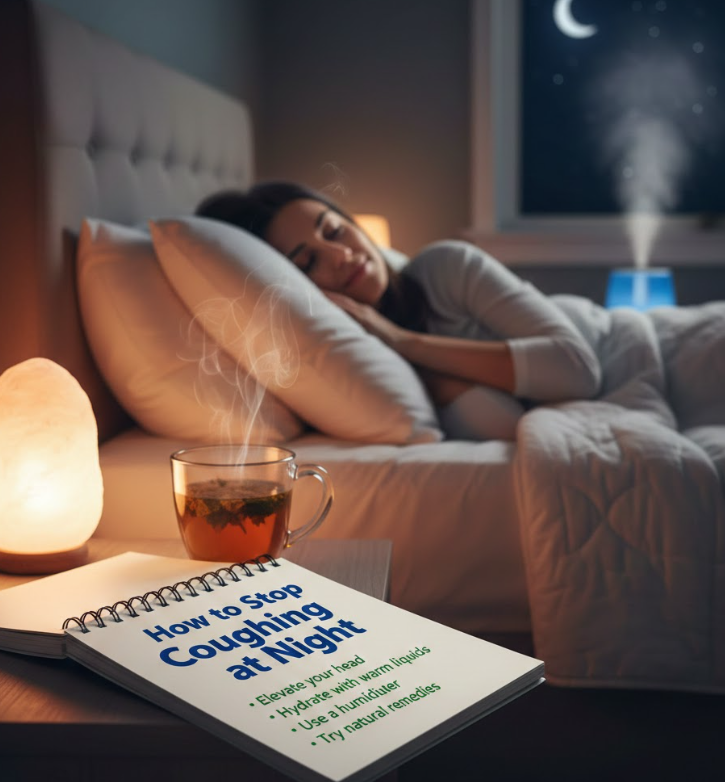
Nighttime coughing is particularly frustrating because it disrupts sleep and delays healing. When you lie down, mucus pooling, acid reflux, or airway dryness can intensify coughing reflexes.
Why Night Coughs Are Worse
Night coughing often occurs due to gravity allowing mucus to settle in the throat, reduced swallowing during sleep, and increased airway sensitivity in darker, cooler environments.
Effective Ways to Stop Coughing at Night
• Elevating the Head While Sleeping
Raising your head with extra pillows helps prevent mucus and stomach acid from irritating the throat. This simple adjustment reduces airway inflammation and coughing frequency throughout the night.
• Using a Humidifier
Dry air irritates the respiratory tract and worsens cough symptoms. Adding moisture to the air helps soothe throat tissues and reduces coughing triggered by dryness.
• Warm Liquids Before Bed
Herbal teas, warm water with honey, or light broths coat the throat and relax airway muscles. Honey, in particular, has been shown to reduce nighttime coughing in both adults and children over one year old.
• Avoiding Late-Night Triggers
Spicy foods, caffeine, smoking, or cold air exposure before bedtime can increase coughing. Creating a calm pre-sleep routine minimizes irritation.
• Managing Postnasal Drip
Saline sprays or nasal rinses before bed clear mucus buildup, reducing throat irritation and nighttime coughing.
• Controlling Acid Reflux
Eating smaller dinners and avoiding lying down immediately after meals helps prevent reflux-induced coughing at night.
Also Read:- How to Make Red: A Complete Guide to Red Foods, Drinks, and Colors
How to Stop Coughing Fits
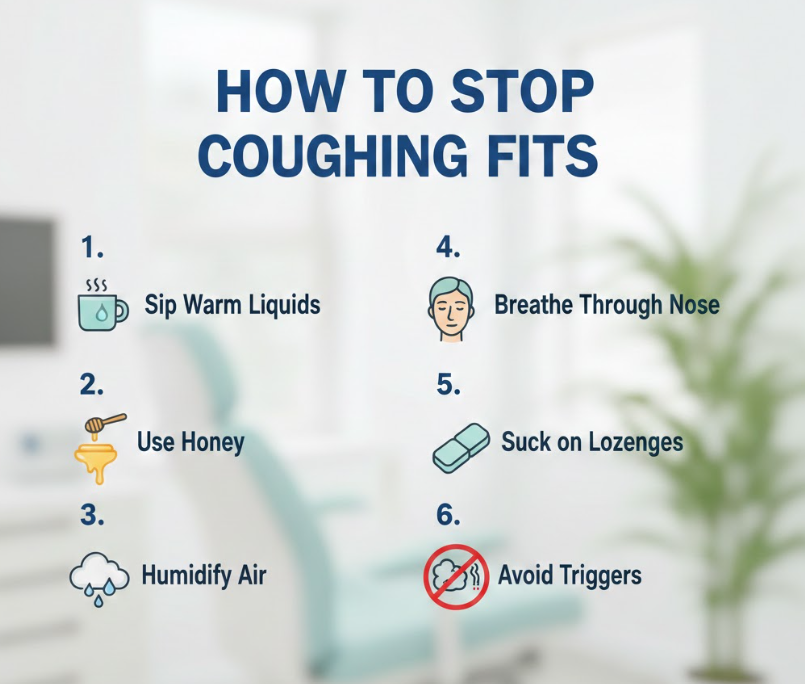
Coughing fits are sudden, intense bursts of coughing that feel uncontrollable. These episodes are often triggered by airway spasms, infections, asthma, or irritants.
What Causes Coughing Fits
Coughing fits occur when airway nerves become hypersensitive, reacting strongly to even mild triggers such as cold air or talking.
Practical Ways to Calm Coughing Fits
• Slow, Controlled Breathing
Deep nasal breathing helps calm airway nerves and interrupts coughing reflex loops. Breathing through pursed lips can reduce spasm intensity.
• Sipping Warm Water
Warm fluids relax throat muscles and provide immediate soothing relief during coughing episodes.
• Honey as a Natural Suppressant
Honey coats the throat and reduces irritation. Clinical studies suggest it can be as effective as some over-the-counter cough suppressants.
• Steam Inhalation
Inhaling warm steam loosens mucus and hydrates airway linings, reducing irritation that leads to coughing fits.
• Avoiding Irritants
Smoke, perfumes, dust, and cold air often trigger coughing fits. Identifying and avoiding triggers reduces frequency.
• Using Prescribed Inhalers (When Applicable)
For individuals with asthma or reactive airway disease, proper inhaler use can quickly stop coughing fits by opening airways.
Also Read:- How to Make Friends: A Complete Guide to Building Lasting Relationships
How to Stop Coughing From Allergies
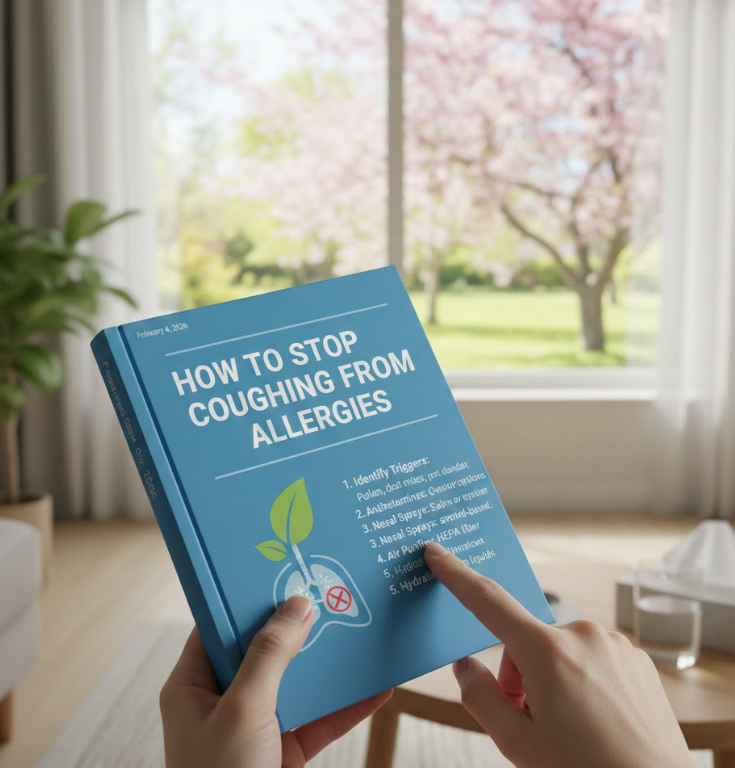
Allergy-related coughing results from the immune system reacting to allergens such as pollen, dust mites, or pet dander.
Why Allergies Cause Coughing
Allergens trigger histamine release, causing airway inflammation, postnasal drip, and throat irritation that leads to coughing.
Managing Allergy-Induced Cough Effectively
• Reducing Allergen Exposure
Keeping windows closed during high pollen seasons and washing bedding regularly limits allergen contact.
• Using Antihistamines
Non-drowsy antihistamines help reduce mucus production and throat irritation caused by allergies.
• Nasal Irrigation
Saline rinses flush allergens from nasal passages, reducing postnasal drip and coughing.
• Air Purification Indoors
HEPA air filters remove airborne allergens and significantly reduce indoor triggers.
• Hydration for Mucus Control
Adequate water intake thins mucus, making it less irritating to the throat.
• Consistent Allergy Management
Long-term control plans, including immunotherapy when recommended by a doctor, reduce chronic allergy coughing.
Also Read:- How to Play Old Maid: The Ultimate Card Game Guide
How to Stop Coughing Up Mucus
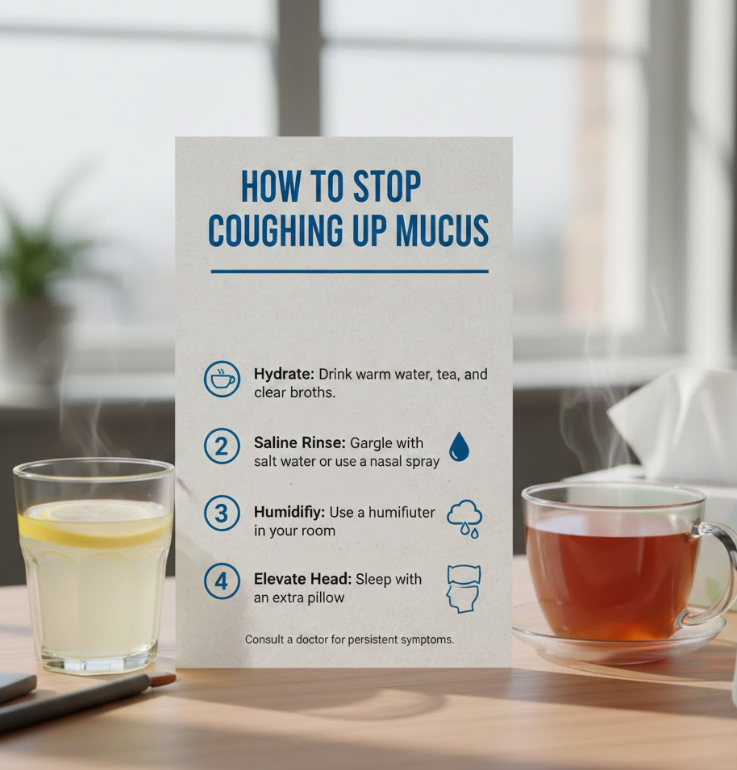
Productive coughing helps clear mucus, but excessive mucus coughing can be uncomfortable and persistent.
Why the Body Produces Mucus
Mucus traps bacteria, dust, and viruses. Overproduction occurs during infections, smoking, allergies, or chronic lung conditions.
Clearing Mucus and Reducing Cough
• Staying Well Hydrated
Water thins mucus, making it easier to expel and less likely to trigger coughing.
• Expectorants When Needed
Medications containing guaifenesin help loosen mucus for easier clearance.
• Steam Therapy
Warm showers or steam inhalation loosen mucus and soothe inflamed airways.
• Chest Percussion Techniques
Gentle tapping on the chest helps mobilize mucus, especially in chronic conditions.
• Avoiding Smoking and Pollutants
Smoke thickens mucus and damages airway lining, prolonging productive coughs.
• Supporting Lung Health
Light physical activity and breathing exercises encourage mucus movement and faster recovery.
Also Read:- How to Decline a Job Offer: A Professional, Respectful, and Strategic Guide
When to See a Doctor About a Cough
Most coughs resolve on their own, but some require medical attention.
Seek professional care if:
• A cough lasts longer than three weeks
• Blood is present in mucus
• Chest pain or shortness of breath occurs
• Fever persists beyond several days
• Weight loss or fatigue accompanies coughing.
Also Read:- How to Make a Paper Dart: A Complete Beginner-Friendly Guide
Conclusion: How to Stop Coughing Safely and Effectively
Learning how to stop coughing starts with understanding the cause. Whether coughing occurs at night, in sudden fits, due to allergies, or from mucus buildup, targeted solutions work far better than generic remedies. By combining hydration, environmental control, proper medication use, and lifestyle adjustments, most coughs can be managed effectively at home. Persistent or severe symptoms should always be evaluated by a healthcare professional to ensure safe and appropriate treatment.
FAQs
How long does a typical cough last?
Most viral coughs improve within one to three weeks.
Is honey safe for coughing?
Yes, for adults and children over one year old.
Can coughing be a sign of something serious?
Occasionally, especially if persistent or accompanied by other symptoms.
Should I suppress a productive cough?
Not always — clearing mucus can help recovery unless advised otherwise by a doctor.
For More Visit guideitfast.com