
Learning how to make red is more than a simple color lesson—it’s a practical skill that appears across cooking, baking, art, and even food preservation. From rich red beans and rice to luxurious red velvet cake and handmade red paint, the color red represents warmth, passion, and depth across cultures and disciplines.
In cooking, red often comes from natural pigments like anthocyanins and carotenoids found in beans, rice, and grapes. In baking, red velvet’s signature hue balances chemistry and creativity. In art, red paint is foundational, forming the basis of countless shades and tones. Understanding how red is created—whether through ingredients, reactions, or color theory—helps you achieve better, more consistent results.
This in-depth guide explains how to make red in five practical, real-world applications, combining culinary expertise, artistic principles, and science-backed techniques you can trust.
How to Make Red Beans and Rice
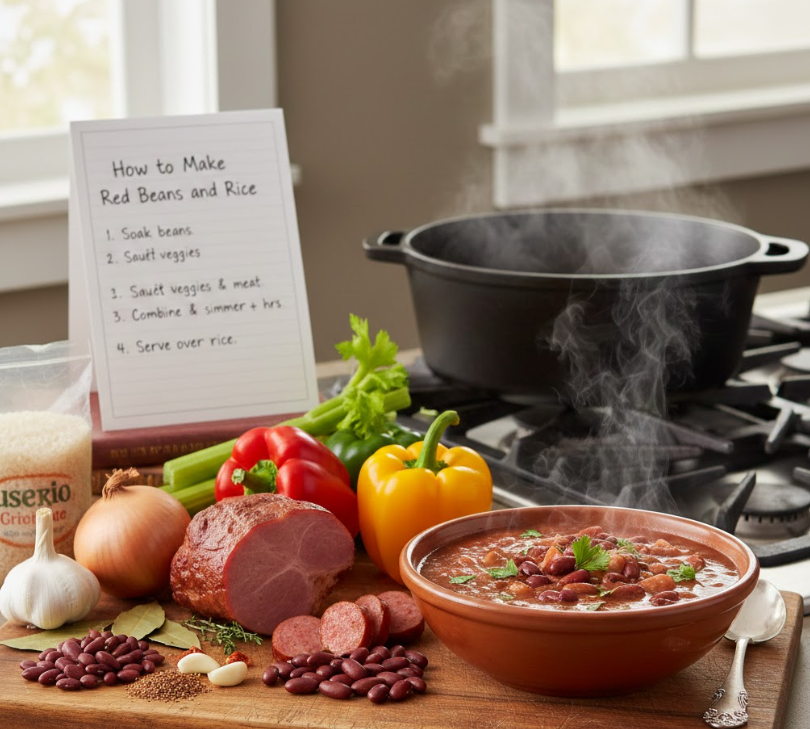
Red beans and rice is a classic comfort dish with deep cultural roots, especially in Creole and Caribbean cuisine. The dish’s signature red color develops naturally through slow cooking, starch release, and spice infusion rather than artificial coloring.
At its core, red beans and rice relies on time, seasoning, and technique. The beans gradually break down, thickening the cooking liquid into a creamy, red-tinted sauce that coats each grain of rice.
Key Elements of Making Authentic Red Beans and Rice
• Choosing the correct red beans
Small red beans or kidney beans contain natural pigments that intensify during cooking. These beans release starch slowly, creating the rich reddish hue that defines the dish without added dyes or tomato products.
• Building a flavorful base (the holy trinity)
Onions, celery, and bell peppers form the aromatic foundation. As they soften, they enhance color depth while balancing the earthiness of the beans.
• Slow simmering for natural color release
Extended cooking allows bean skins to soften and dissolve, releasing color and thickening the broth naturally. Rushing this step results in pale, watery beans.
• Using smoked proteins wisely
Andouille sausage or smoked turkey adds fat and color-enhancing compounds that deepen the red tone while improving mouthfeel.
• Spices that enhance redness
Paprika, cayenne, and bay leaves reinforce the warm red hue without overpowering the dish.
• Rice cooked separately for contrast
White rice acts as a visual and textural counterpoint, making the red beans appear richer and more vibrant.
Also Read:- How to Make Friends: A Complete Guide to Building Lasting Relationships
How to Make Red Velvet Cake

Red velvet cake is famous for its soft crumb, subtle cocoa flavor, and distinctive red color. Historically, the red tint came from chemical reactions between cocoa powder and acidic ingredients rather than food coloring.
Modern red velvet balances tradition with visual appeal, using controlled coloring methods for consistency.
Essential Techniques for Making Red Velvet Cake
• Understanding the cocoa-acid reaction
Natural cocoa powder reacts with acidic ingredients like buttermilk and vinegar, producing a reddish-brown tone that forms the cake’s base color.
• Selecting the right cocoa powder
Natural (not Dutch-processed) cocoa is essential, as alkalized cocoa neutralizes the reaction that creates red hues.
• Using food coloring strategically
A small amount of red food coloring enhances visual appeal without overpowering flavor. Gel coloring offers stronger color with less liquid disruption.
• Balancing acidity and sweetness
Vinegar and buttermilk brighten the red tone while tenderizing the crumb, creating the signature velvet texture.
• Proper mixing to preserve color
Overmixing introduces excess air, which can dull color and toughen the cake.
• Cream cheese frosting for contrast
The white frosting highlights the red interior, enhancing visual impact and flavor balance.
Also Read:- How to Play Old Maid: The Ultimate Card Game Guide
How to Make Red Wine Vinegar
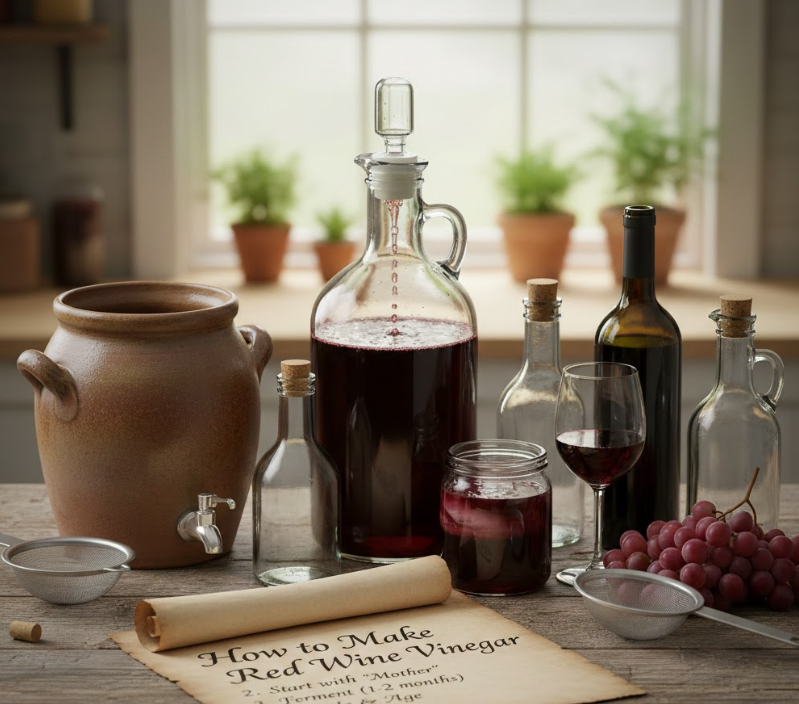
Red wine vinegar is created through fermentation, where alcohol transforms into acetic acid. The red color develops from grape skins and deepens over time as oxidation occurs.
Homemade red wine vinegar delivers superior flavor complexity compared to store-bought versions.
Steps to Creating Red Wine Vinegar at Home
• Starting with quality red wine
The wine’s original pigment determines the final vinegar color. Darker wines produce richer red vinegar.
• Introducing oxygen naturally
Exposure to air allows acetic acid bacteria to thrive, slowly converting alcohol into vinegar.
• Using a vinegar mother
A live culture accelerates fermentation while maintaining consistent acidity and color.
• Allowing slow maturation
Time enhances both color depth and flavor complexity, producing a well-rounded vinegar.
• Straining sediment carefully
Removing solids preserves clarity without stripping natural color.
• Proper storage for color retention
Dark glass bottles prevent light degradation, keeping the red hue vibrant.
Also Read:- How to Decline a Job Offer: A Professional, Respectful, and Strategic Guide
How to Make Red Rice
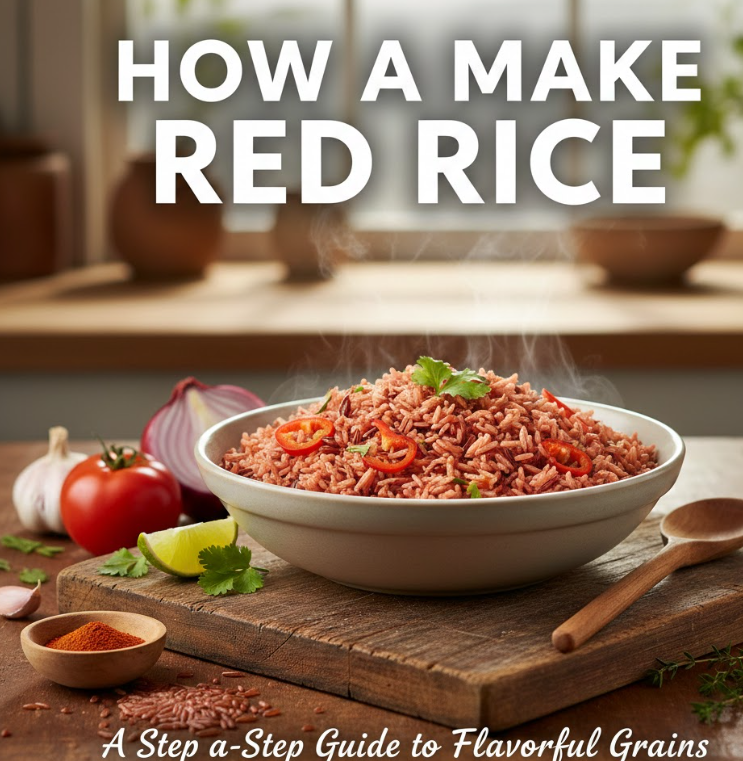
Red rice is valued for its nutty flavor, chewy texture, and naturally red bran layer. Unlike white rice, red rice retains its pigment through minimal processing.
Cooking red rice properly preserves both its color and nutritional benefits.
Best Practices for Cooking Red Rice
• Understanding the bran layer
The red color comes from anthocyanins, powerful antioxidants that remain intact when cooked gently.
• Rinsing without stripping pigment
Light rinsing removes dust while preserving surface color compounds.
• Using adequate water ratios
Red rice requires more water than white rice due to its intact bran.
• Longer cooking time for color stability
Slow simmering allows even hydration without splitting the grain.
• Resting after cooking
Steaming redistributes moisture and intensifies color.
• Pairing with contrasting foods
Light vegetables and proteins enhance visual appeal and nutritional balance.
Also Read:- How to Make a Paper Dart: A Complete Beginner-Friendly Guide
How to Make Red Paint
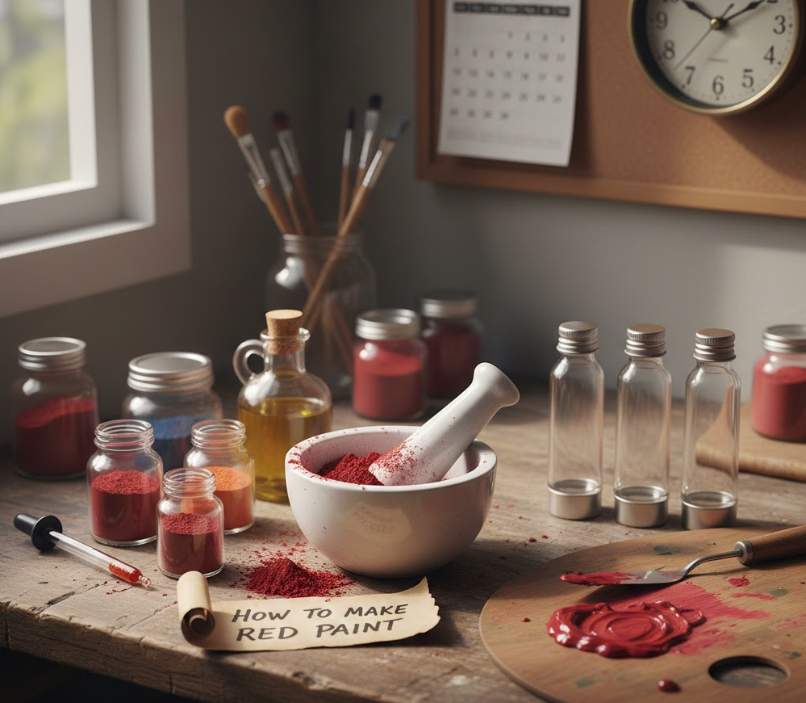
Red paint is a primary color in traditional color theory, meaning it cannot be created by mixing other colors. However, variations of red can be achieved using pigments, natural dyes, or chemical compounds.
Understanding pigment sources is essential for artists and DIY enthusiasts.
Methods for Creating Red Paint
• Using primary red pigments
Cadmium red, alizarin crimson, and quinacridone are common artist pigments.
• Creating natural red dyes
Beets, cochineal insects, and madder root produce organic red pigments.
• Adjusting tone with white or black
White creates pinks, while black deepens red into maroon or burgundy.
• Mixing warm and cool reds
Yellow-based reds appear fiery, while blue-based reds feel cooler and deeper.
• Binding pigments properly
Acrylic, oil, or watercolor mediums affect color intensity and longevity.
• Testing before final application
Drying can darken red paint, making test swatches essential.
Also Read:- How to Clean a Pizza Stone (The Right Way)
Conclusion: Mastering How to Make Red Across Disciplines
Understanding how to make red empowers you in the kitchen, the studio, and beyond. Whether you’re cooking soulful red beans and rice, baking a striking red velvet cake, fermenting vinegar, preparing nutritious red rice, or crafting paint, the principles remain the same—quality ingredients, patience, and technique.
Red is not just a color; it’s a result of chemistry, culture, and creativity. By mastering these methods, you gain control over both appearance and flavor, ensuring consistent, vibrant results every time.
FAQs
Q: Can red be made without food coloring?
Yes. Natural pigments from cocoa, beans, beets, and grape skins create red tones naturally.
Q: Why does red velvet cake need vinegar?
Vinegar enhances the red color reaction and improves texture without affecting taste.
Q: Is redrice healthier than white rice?
Yes. Redrice contains more fiber, antioxidants, and minerals due to its intact bran.
For More Visit guideitfast.com