
Learning how to make friends is a core social skill that contributes to happiness, mental well-being, and professional growth. Friendships provide emotional support, enhance personal development, and improve life satisfaction. Whether you are moving to a new city, starting school, or navigating adulthood, knowing how to form genuine connections is invaluable.
This guide draws on psychological research, social science studies, and real-world experience to explain how to make friends as an adult, how to make friends and influence people, how to make friends with the dark, how to make friends at school, how to make friends online, how to make friends in a new city, and how to make your friends list private on Facebook, with actionable insights, examples, and step-by-step guidance.
How to Make Friends as an Adult

Making friends as an adult can feel challenging because adult life often limits natural social opportunities. Work, family, and responsibilities reduce time for spontaneous connections. However, adult friendships are crucial for emotional well-being, stress management, and social fulfillment.
• Engaging in shared-interest activities
Participating in clubs, hobby groups, or classes allows adults to meet like-minded people. Shared interests naturally spark conversation and bonding, making initial interactions less awkward.
• Volunteering in the community
Volunteer work not only contributes to society but also fosters relationships through shared purpose. Helping others promotes empathy and trust—key ingredients in friendship.
• Networking through work or professional groups
Professional associations, conferences, or online networking events provide adult-friendly social spaces. Colleagues often share common experiences that form a foundation for friendship.
• Being proactive and approachable
Initiating conversations, smiling, and maintaining open body language encourages potential friends to engage. Adults often underestimate the power of small gestures in social contexts.
• Scheduling regular meetups or social activities
Consistency strengthens friendships. Regularly inviting acquaintances for coffee, walks, or dinners signals interest and builds trust.
• Being patient and realistic
Adult friendships often develop slowly. Expect gradual trust-building rather than instant bonds. Patience leads to more authentic and lasting relationships.
Also Read:- How to Play Old Maid: The Ultimate Card Game Guide
How to Make Friends and Influence People
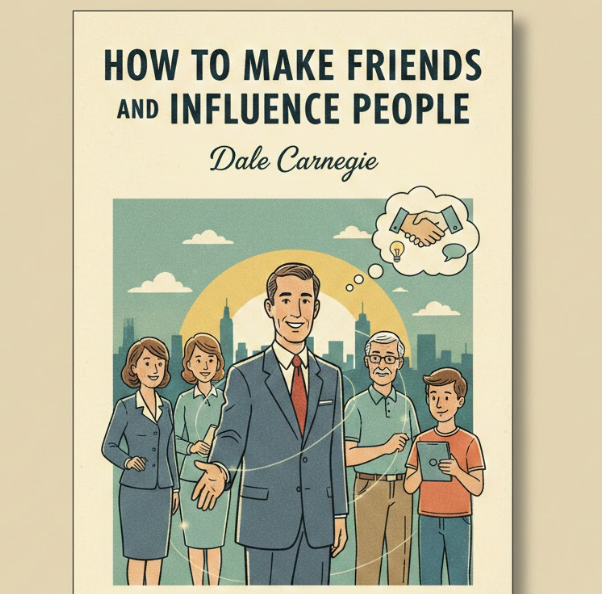
The ability to make friends and influence people combines social charm with emotional intelligence. This skill is invaluable in both personal and professional contexts and builds lasting relationships rooted in mutual respect.
• Developing active listening skills
Listening attentively shows interest and validation. People are naturally drawn to those who genuinely hear them, forming a strong connection.
• Expressing genuine appreciation
Complimenting and acknowledging achievements fosters positive feelings. Recognition enhances trust and likability.
• Finding common ground
Shared experiences or interests establish rapport. Discovering similarities creates comfort and a sense of belonging.
• Being authentic and transparent
Authenticity strengthens credibility and long-term trust. Attempting to manipulate or impress others can erode potential friendships.
• Using humor appropriately
Light humor relieves tension and enhances social appeal. Laughter is universally bonding and fosters positive interactions.
• Being mindful of influence without control
Influence arises naturally from respect and reliability, not coercion. Encouraging rather than dictating actions strengthens relationships.
Also Read:- How to Decline a Job Offer: A Professional, Respectful, and Strategic Guide
How to Make Friends With the Dark
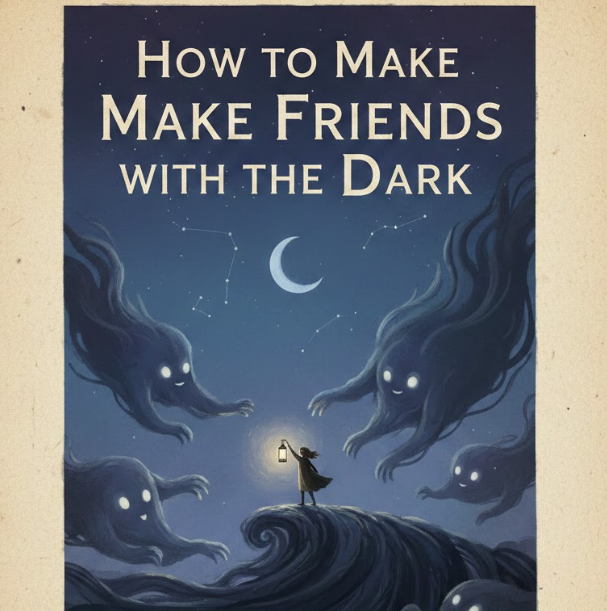
The concept of making friends with the dark refers to embracing solitude, introspection, and personal challenges, which paradoxically enhances social skills. People who are comfortable with themselves can connect more deeply with others.
• Accepting personal fears and vulnerabilities
Acknowledging internal struggles reduces anxiety in social situations. Self-acceptance translates into authentic interactions.
• Developing emotional resilience
Learning to manage negative thoughts strengthens patience and empathy, making it easier to form connections.
• Practicing mindfulness and reflection
Mindfulness fosters awareness of both oneself and others. Awareness improves communication and responsiveness.
• Exploring personal creativity and hobbies
Solo pursuits enrich personality and provide topics for social engagement. Unique skills attract like-minded individuals.
• Building inner contentment
Contentment with solitude prevents over-dependence on others for validation. Balanced friendships are healthier and more reciprocal.
• Translating self-awareness into social confidence
Comfort with your inner world projects calmness and approachability. Others respond positively to confident, self-aware individuals.
Also Read:- How to Make a Paper Dart: A Complete Beginner-Friendly Guide
How to Make Friends at School
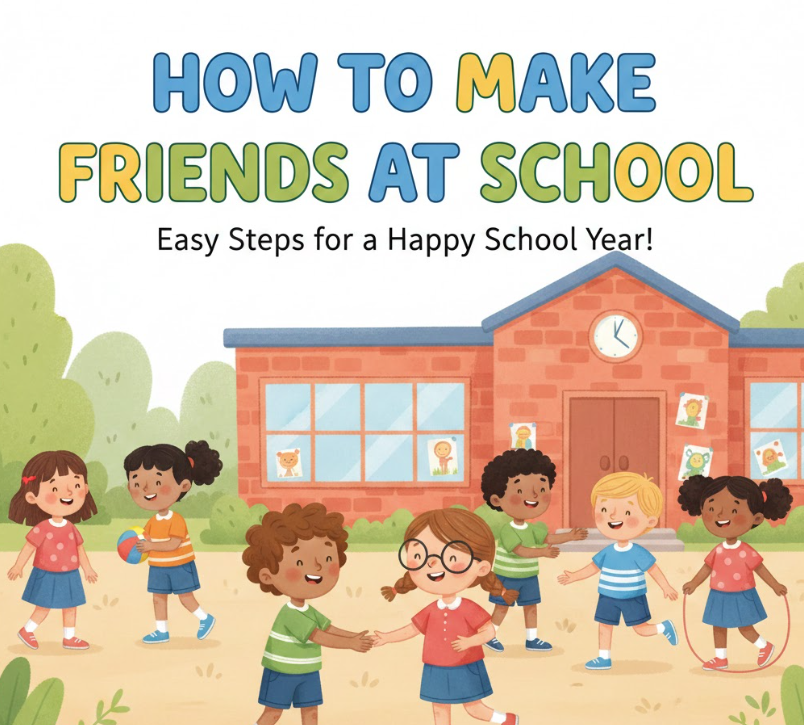
School is one of the most natural environments for forming friendships. Young people are constantly surrounded by peers, yet social dynamics can be complex. Building meaningful friendships in school requires strategy, empathy, and patience.
• Joining clubs, sports, or extracurricular activities
Shared activities provide structured opportunities to meet peers and build connections. Participation signals openness and approachability.
• Engaging in classroom discussions and group work
Active involvement in collaborative activities encourages interaction. Teamwork fosters familiarity and trust.
• Being kind and supportive
Acts of kindness establish rapport and create social bonds. Small gestures can be more impactful than frequent conversation.
• Seeking out peers with similar interests
Finding students who share hobbies, classes, or passions accelerates friendship formation. Shared enthusiasm builds strong initial connections.
• Maintaining consistent communication
Regular interaction through study sessions or casual conversations deepens trust. Repeated engagement strengthens bonds.
• Resolving conflicts calmly and fairly
School friendships face frequent misunderstandings. Mature conflict resolution skills maintain respect and preserve relationships.
Also Read:- How to Clean a Pizza Stone (The Right Way)
How to Make Friends Online

Digital platforms provide unique opportunities to make friends online, but they require careful navigation to ensure safety and genuine connection. Online friendships can be highly rewarding if approached thoughtfully.
• Joining online communities and interest groups
Forums, social media groups, and gaming platforms connect people with shared passions. Engagement fosters discussion and mutual understanding.
• Being authentic in digital interactions
Authenticity builds trust. Pretending to be someone else can lead to short-lived connections or disappointment.
• Respecting online etiquette and boundaries
Polite, thoughtful interaction encourages reciprocation. Ignoring social norms can harm reputation and prevent bonding.
• Initiating private or small-group conversations
Direct messaging or smaller forums deepen personal connection. Public comments often lack intimacy for true friendship.
• Sharing meaningful content and experiences
Contributing insights, creativity, or humor enhances social value. Thoughtful sharing attracts like-minded friends.
• Being cautious about personal safety
Avoid sharing sensitive personal information early. Safety ensures that online friendships are sustainable and enjoyable.
Also Read:- How to Water Succulents: Essential Techniques for Healthy Plants
How to Make Friends in a New City

Moving to a new city presents unique challenges for making friends. Building a social network from scratch requires initiative, planning, and open-mindedness.
• Exploring local events and meetups
Attending festivals, workshops, or community events creates organic opportunities for interaction. Shared experiences accelerate connections.
• Using social apps designed for local networking
Apps like Meetup or Bumble BFF help newcomers find compatible friends. Digital tools bridge geographical gaps.
• Participating in hobbies and classes
Fitness, arts, or language classes allow repeated interaction with peers. Consistency fosters familiarity and trust.
• Volunteering in community organizations
Local volunteering combines meaningful engagement with social opportunity. Shared purpose encourages bonding.
• Connecting through coworkers or neighbors
Informal workplace or neighborhood interactions can grow into social relationships. Casual chats often evolve naturally.
• Being proactive yet patient
Friendship formation takes time. Regular effort combined with patience produces lasting relationships.
How to Make Friends List Private on Facebook

Privacy management is part of modern social connection. Knowing how to make friends list private on Facebook protects personal information while maintaining healthy relationships.
• Accessing Facebook settings
Navigate to “Settings & Privacy” → “Privacy” → “Who can see your friends list.” Familiarity with settings ensures proper control.
• Selecting audience for your friends list
Options include “Only Me,” “Friends,” or custom lists. Selecting “Only Me” maximizes privacy without limiting interactions.
• Customizing visibility for specific users
Certain friends or groups can be restricted. Customization balances privacy with social flexibility.
• Understanding implications for mutual friends
Even private lists may still show mutual friends. Awareness helps prevent unintentional exposure.
• Regularly reviewing privacy settings
Facebook updates may reset permissions. Routine checks maintain desired privacy levels.
• Educating yourself about broader digital safety
Combining friends list privacy with post visibility, tagging, and location controls ensures comprehensive online protection.
Conclusion
Mastering how to make friends involves a combination of self-awareness, communication skills, and social initiative. Whether navigating adulthood, school, online platforms, or new cities, meaningful friendships rely on authenticity, empathy, and consistent effort. By applying these practical strategies and respecting both personal and others’ boundaries, anyone can cultivate fulfilling and lasting social connections.
FAQs
Is it harder to make friends as an adult?
Yes, but intentional effort and participation in interest-based groups can overcome challenges.
Can online friends be as meaningful as in-person friends?
Yes, online friendships can be deep and supportive when based on shared interests and trust.
How long does it take to form a genuine friendship?
On average, forming trust and strong bonds may take several months of consistent interaction and shared experiences
For More Visit guideitfast.com