
Knowing how to decline a job offer is an essential career skill, yet many professionals feel anxious, guilty, or uncertain when facing this situation. According to career surveys, nearly 68% of candidates decline at least one job offer during their professional lifetime. Whether the reason involves salary misalignment, a better opportunity, personal circumstances, or long-term career strategy, declining an offer does not have to damage your professional reputation.
In fact, declining a job offer professionally and respectfully can strengthen your personal brand and keep doors open for future opportunities. Employers understand that candidates evaluate multiple factors before committing, including compensation, company culture, growth potential, and work-life balance. What truly matters is how you communicate your decision.
This comprehensive guide explains how to decline a job offer with confidence, covering common scenarios such as declining via email, declining due to salary, declining after initially accepting, and maintaining professionalism throughout the process. You will learn best practices, psychological considerations, and ethical communication strategies backed by real-world hiring insights.
Why Knowing How to Decline a Job Offer Matters for Your Career
Declining a job offer is not just a momentary decision—it’s a reflection of your professional judgment and communication skills.
The Long-Term Impact of Declining Gracefully
How you decline a job offer can influence:
• Your professional reputation
• Future networking opportunities
• Employer goodwill and referrals
• Industry credibility
Recruiters often move between companies, and industries can be smaller than they appear. A respectful decline ensures you are remembered positively.
Declining a Job Offer Is a Normal Career Step
Many professionals believe declining an offer is rude or ungrateful. In reality, employers expect some candidates to decline. Clear, honest communication saves time and resources for both parties and demonstrates maturity.
Also Read:- How to Make a Paper Dart: A Complete Beginner-Friendly Guide
How to Decline a Job Offer Over Email
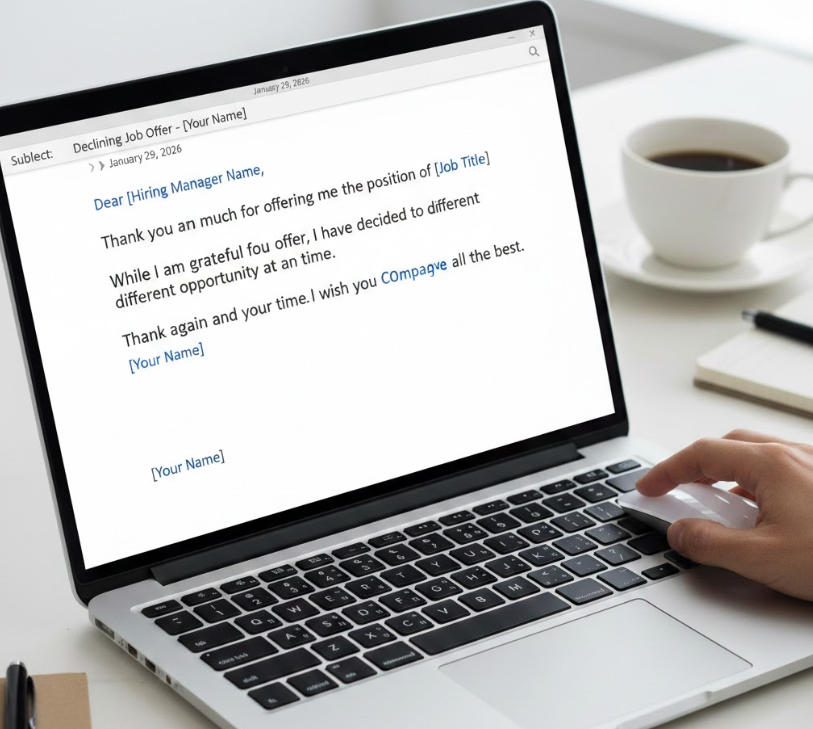
Understanding how to decline a job offer over email is critical, as email is the most common and appropriate communication method in modern hiring processes.
Definition and Context
Declining a job offer via email involves formally notifying an employer in writing that you will not be accepting their offer, while expressing appreciation and maintaining professionalism. Email allows clarity, documentation, and thoughtful wording without emotional pressure.
Best Practices for Declining a Job Offer Over Email
• Use a clear and polite subject line
• Respond promptly once you decide
• Express genuine gratitude
• Keep the message concise and respectful
• Avoid excessive detail or criticism
• Leave the door open for future contact
Key Points Explained in Depth
• Timeliness Matters
Delaying your response can inconvenience employers who may be holding positions open. Prompt replies demonstrate respect for their process and professionalism.
• Tone and Language Choice
Your language should remain neutral, warm, and appreciative. Avoid casual slang or overly emotional phrasing that may undermine professionalism.
• Clarity Without Over-Explanation
State your decision clearly without providing unnecessary details. Over-justifying can invite debate or discomfort.
• Professional Gratitude
Thanking the employer acknowledges their effort, time, and interest in you as a candidate.
• Maintaining Relationships
Expressing interest in staying connected can preserve networking opportunities and future consideration.
• Written Record Benefits
Email creates a clear record that avoids miscommunication and ensures both parties have confirmation.
Also Read:- How to Clean a Pizza Stone (The Right Way)
How to Decline a Job Offer Due to Salary
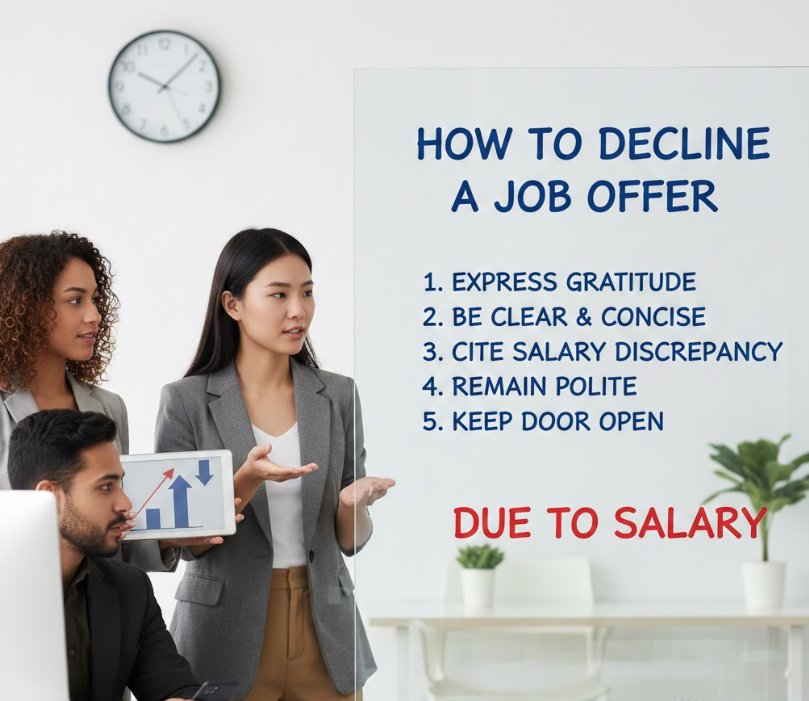
Knowing how to decline a job offer due to salary requires tact, honesty, and strategic wording to avoid appearing ungrateful or confrontational.
Definition and Professional Context
Declining due to salary means the offered compensation does not align with your market value, financial needs, or career expectations. This is one of the most common and valid reasons for declining an offer.
When Salary Becomes a Non-Negotiable Factor
• Cost of living concerns
• Industry market standards
• Experience and skill valuation
• Long-term financial planning
• Benefits package limitations
• Equity and bonus structure gaps
Key Points Explained in Depth
• Market Awareness
Demonstrating that your decision is based on research and professional benchmarks reinforces credibility rather than entitlement.
• Respectful Transparency
You do not need to disclose exact salary expectations, but acknowledging misalignment helps employers understand your reasoning.
• Avoid Emotional Framing
Present salary concerns logically, not emotionally. This keeps the conversation professional and objective.
• Opportunity for Future Negotiation
A respectful decline may lead employers to reconsider compensation or revisit discussions later.
• Protecting Professional Image
Blaming salary without hostility preserves goodwill and avoids burning bridges.
• Understanding Employer Constraints
Some organizations have fixed budgets. Recognizing this shows empathy and professionalism.
Also Read:- How to Water Succulents: Essential Techniques for Healthy Plants
How to Decline a Job Offer After Accepting

Learning how to decline a job offer after accepting is especially delicate, but it can still be handled ethically and professionally.
Definition and Ethical Considerations
This situation occurs when a candidate accepts an offer but later withdraws due to changed circumstances, better opportunities, or personal reasons. While not ideal, it is not unethical if handled properly.
Common Reasons Candidates Withdraw After Acceptance
• Better offer alignment
• Unexpected personal changes
• Relocation issues
• Role misrepresentation
• Company instability concerns
• Career strategy shifts
Key Points Explained in Depth
• Immediate Communication
As soon as your decision changes, inform the employer. Delays increase inconvenience and reputational risk.
• Taking Responsibility
Acknowledge the inconvenience caused. This demonstrates integrity and accountability.
• Professional Apology Without Overuse
A brief, sincere apology is appropriate. Excessive apologizing may appear insincere or uncomfortable.
• Avoid Blaming the Employer
Frame the decision around changed circumstances rather than company faults.
• Reputation Preservation
Handled correctly, withdrawing does not permanently damage your professional image.
• Learning for the Future
This experience can help refine your decision-making process for future offers.
How to Decline a Job Offer Professionally

Mastering how to decline a job offer professionally ensures consistency across all scenarios and strengthens your long-term career standing.
What Professionalism Means in Job Declination
Professionalism involves respect, clarity, ethical communication, and emotional intelligence. It reflects your values and work ethic beyond employment status.
Core Principles of Professional Declination
• Courtesy and respect
• Clear communication
• Honesty without oversharing
• Emotional neutrality
• Prompt response
• Future-focused mindset
Key Points Explained in Depth
• Respecting Employer Effort
Hiring requires time, money, and coordination. Acknowledging this effort reinforces mutual respect.
• Maintaining Industry Relationships
Professional declination keeps networking channels open and strengthens your personal brand.
• Consistency Across Platforms
Ensure your verbal, written, and LinkedIn communications align to avoid confusion.
• Confidence Without Arrogance
You can decline confidently without diminishing the opportunity or the employer.
• Emotional Intelligence
Understanding how your words may be received helps prevent unintended offense.
• Long-Term Career Strategy
Professional behavior today influences opportunities tomorrow.
Conclusion: Declining a Job Offer with Confidence and Integrity
Knowing how to decline a job offer empowers you to make career decisions that align with your values, goals, and well-being. Declining does not mean rejection—it means prioritization. When done thoughtfully and professionally, it strengthens your reputation, preserves relationships, and reflects maturity.
Every job offer is a milestone, whether accepted or declined. How you handle these moments defines your professional identity more than the decision itself.
FAQs:
Is it unprofessional to decline a job offer?
No. Declining professionally is a normal and respected career practice.
Should I give a reason for declining?
A brief, general reason is appropriate but not mandatory.
Can I decline after signing an offer letter?
Yes, though it should be handled promptly and respectfully.
Is email the best method?
Yes, unless the employer specifically requests a call.
For More Visit guideitfast.com