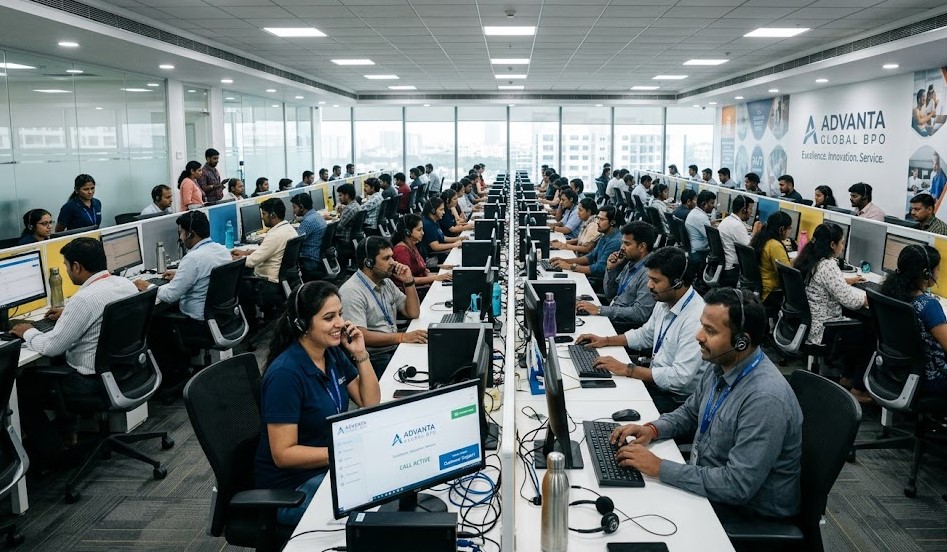
BPO companies (Business Process Outsourcing companies) are organizations that manage specific business tasks on behalf of other companies. These tasks are usually important for daily operations but are not directly related to a company’s core business activities. Common examples include customer support, payroll processing, data entry, HR services, and technical assistance. By outsourcing these responsibilities, businesses can focus more on growth, strategy, and innovation instead of routine operational work.
The working process of BPO companies is based on a structured outsourcing model. First, a business identifies the functions it wants to outsource and then partners with a BPO provider that has the required expertise and infrastructure. The BPO company then builds a dedicated team, sets up the necessary technology systems, and follows defined workflows to complete the assigned tasks efficiently. These services can be delivered from the same country (onshore), a nearby country (nearshore), or a different continent (offshore), depending on cost and business needs.
Modern bpo companies use advanced technologies like automation, artificial intelligence, and cloud-based platforms to improve efficiency and accuracy. This helps reduce human errors, speed up service delivery, and ensure better customer satisfaction. As a result, outsourcing has evolved from a simple cost-saving method into a strategic business solution that improves overall performance and scalability.
Types of BPO Companies in the Modern Business World
BPO companies are not all the same, as they are divided into different types based on the nature of services they provide and how they operate. The most common classification includes front-office and back-office outsourcing. Front-office BPO focuses on customer-facing services such as customer support, telemarketing, and technical help desks. These services directly interact with customers and play a major role in shaping brand reputation and customer satisfaction.
On the other hand, back-office BPO handles internal business operations that are essential but not visible to customers. This includes tasks like accounting, payroll management, data entry, HR administration, and compliance processing. These functions help businesses stay organized and efficient behind the scenes, ensuring that daily operations run smoothly without interruption.
Another important classification of bpo companies is based on location: onshore, nearshore, and offshore outsourcing. Onshore outsourcing means hiring a company within the same country, nearshore refers to outsourcing to a neighboring country, and offshore means working with companies in distant countries. Offshore outsourcing is often preferred due to lower labor costs and access to a large skilled workforce, especially in countries like India, the Philippines, and Pakistan. This global structure allows businesses to balance cost efficiency with service quality while maintaining round-the-clock operations.
Top Services Offered by BPO Companies
BPO companies provide a wide range of services that help businesses streamline their operations and improve overall efficiency. One of the most common services is customer support, which includes handling inbound and outbound calls, live chat assistance, email support, and technical help desk services. These services are essential for maintaining strong customer relationships and ensuring quick resolution of issues, which directly impacts customer satisfaction and brand loyalty.
Another major service offered by bpo companies is finance and accounting support. This includes payroll processing, bookkeeping, invoicing, tax preparation, and financial reporting. By outsourcing these tasks, businesses can reduce errors, maintain compliance, and save significant operational costs. Many companies prefer outsourcing financial operations to specialized providers because it ensures accuracy and access to trained professionals without the need for a large in-house finance team.
In addition to customer service and finance, BPO companies also offer HR outsourcing, data entry, IT support, and back-office processing. Human resource services include recruitment, employee onboarding, and benefits management, while IT outsourcing covers technical support, software maintenance, and network management. These services help companies stay competitive by allowing them to focus on core business activities while experts handle operational tasks efficiently.
Global Leaders in the BPO Industry
The BPO companies industry is dominated by several global leaders that have built strong reputations for delivering high-quality outsourcing services across multiple regions. These companies operate large-scale delivery centers worldwide and serve clients from industries like banking, healthcare, retail, telecommunications, and technology. Their success is based on a combination of skilled workforce, advanced technology, and strong global presence.
One of the most recognized names in the industry is Teleperformance, which is widely known for its customer experience management and call center services. It operates in dozens of countries and supports many of the world’s biggest brands. Another major player is Concentrix, which focuses on digital customer engagement, technical support, and business transformation services. These companies have set global standards for customer service outsourcing.
Other leading bpo companies include Accenture, which combines consulting with business process outsourcing, and Genpact, which is known for finance, analytics, and digital operations. These firms continuously invest in automation, artificial intelligence, and cloud technologies to improve efficiency and deliver better business outcomes. Their global influence shows how important outsourcing has become in today’s business environment.
Benefits of Using BPO Companies for Businesses
BPO companies offer several important advantages that make them a valuable partner for modern businesses. One of the biggest benefits is cost reduction. By outsourcing non-core tasks such as customer support, data entry, or payroll processing, companies can significantly lower their operational expenses. This is especially beneficial for small and medium-sized businesses that want to access skilled services without investing heavily in infrastructure, recruitment, and training.
Another major benefit is improved efficiency and productivity. When businesses delegate repetitive and time-consuming tasks to bpo companies, their internal teams can focus on core activities like product development, marketing, and business expansion. This division of work helps organizations operate more smoothly and achieve faster results. It also allows companies to scale operations quickly without worrying about hiring and managing large in-house teams.
BPO companies also provide access to specialized expertise and advanced technology. Many outsourcing providers use modern tools such as automation, artificial intelligence, and cloud-based systems to enhance performance and reduce errors. This leads to better service quality, faster turnaround times, and improved customer satisfaction. In addition, businesses benefit from 24/7 support, especially when working with offshore partners in different time zones, ensuring continuous operations and global customer coverage.
Challenges Faced by BPO Companies
BPO companies play a major role in supporting global businesses, but they also face several challenges that can affect performance and service quality. One of the most common challenges is communication barriers. Since outsourcing often involves working with clients and teams from different countries, differences in language, culture, and time zones can sometimes lead to misunderstandings or delays in service delivery. This makes clear communication systems and training very important for success.
Another significant challenge for bpo companies is maintaining data security and privacy. These companies handle sensitive business information such as customer details, financial records, and internal company data. Any security breach can lead to serious financial and reputational damage. Therefore, strong cybersecurity systems, strict compliance policies, and regular audits are essential to protect client information and build trust.
Employee turnover is also a major issue in the BPO industry. The work environment, especially in call centers, can be high-pressure and repetitive, leading to burnout and frequent job changes. This creates additional costs for hiring and training new employees. To overcome this, many bpo companies are now focusing on employee engagement, better working conditions, and skill development programs to improve retention and performance.
Future Trends in the BPO Industry
The future of BPO companies is rapidly evolving due to advancements in technology and changing business needs. One of the most important trends is the rise of automation and artificial intelligence. Many repetitive tasks that were previously handled by human agents are now being managed by AI-powered chatbots, robotic process automation (RPA), and smart analytics tools. This shift is helping companies reduce costs, improve accuracy, and deliver faster services to customers.
Another key trend is the growing demand for digital transformation services. Modern bpo companies are no longer limited to traditional call center work; instead, they are becoming strategic partners that help businesses modernize their operations. Services such as cloud computing support, data analytics, and AI-driven customer experience solutions are becoming more common. According to industry insights shared by Deloitte, organizations are increasingly investing in outsourcing partners that can support long-term digital growth rather than just short-term cost savings.
Remote work and global talent expansion are also shaping the future of outsourcing. Many companies are now building distributed teams across different countries to ensure 24/7 operations and access to skilled professionals worldwide. This trend is expected to continue as businesses look for more flexible, scalable, and technology-driven outsourcing models.
Conclusion
In conclusion, BPO companies have become a vital part of the global business ecosystem by helping organizations improve efficiency, reduce costs, and focus on their core objectives. From customer support and finance to IT services and back-office operations, outsourcing has transformed the way modern businesses function. What once started as a simple cost-saving approach has now evolved into a strategic partnership model that drives innovation and digital transformation.
Today, bpo companies are not only service providers but also technology-driven partners that help businesses scale faster in a highly competitive market. With the rise of automation, artificial intelligence, and global connectivity, the industry continues to expand and adapt to new challenges. Companies like Accenture and Teleperformance show how outsourcing can deliver long-term value when combined with innovation and strong operational systems.
As businesses continue to evolve, outsourcing will remain a key strategy for growth, efficiency, and global expansion. The future of the BPO industry is expected to be more digital, more intelligent, and more integrated into core business operations than ever before.
FAQs
1. What are BPO companies?
BPO companies are service providers that handle business processes like customer support, HR, finance, and IT services for other organizations.
2. Why do companies use BPO services?
Companies use BPO services to reduce costs, improve efficiency, and focus on their core business activities.
3. What are the main types of BPO companies?
The main types include front-office BPO (customer-facing services) and back-office BPO (internal operations like payroll and data entry).
4. Are BPO companies still growing?
Yes, the BPO industry is growing rapidly due to automation, AI, and increasing demand for digital outsourcing solutions.
For More Visit guideitfast.com