
Learning how to ice skate is an exciting journey that combines balance, coordination, strength, and confidence. Whether you’re stepping onto the ice for the first time or aiming to skate backward smoothly, ice skating is both a recreational activity and a competitive sport enjoyed worldwide.
From Olympic champions like Yuzuru Hanyu to millions of families visiting local rinks each winter, skating continues to grow in popularity. Organizations such as U.S. Figure Skating promote skating programs that emphasize safety, skill progression, and enjoyment for all ages.
In this comprehensive guide, you’ll learn how to ice skate for beginners, how to skate backward, what to expect your first time on the ice, and how to help kids learn safely. This guide follows best practices for safety, skill development, and long-term improvement.
How to Ice Skate for Beginners

Understanding how to ice skate for beginners starts with mastering balance, posture, and controlled movement. Ice skating differs from walking because you glide rather than step. The key is learning how to shift your weight smoothly while maintaining stability.
Beginners often struggle with fear of falling, but falling is part of the learning process. With the right mindset and technique, skating becomes natural and enjoyable.
Essential Beginner Steps to Start Ice Skating
• Choose Properly Fitted Ice Skates
Wearing well-fitted skates is critical for safety and performance. Skates should feel snug but not painfully tight. Loose skates reduce ankle support, increasing the risk of falls or injuries.
Lace your skates tightly around the ankle area to provide stability. Beginners need strong ankle support to maintain balance and control movements.
Rental skates are fine for first-timers, but investing in quality skates improves comfort and learning speed over time.
• Learn Correct Skating Posture
Proper posture is the foundation of balance. Bend your knees slightly and lean forward just a little. Keep your back straight and your head up.
Avoid standing stiff or leaning backward, as this increases the likelihood of falling. Slight knee bends absorb movement and improve stability.
Relax your shoulders and extend your arms slightly for balance. This helps distribute your weight evenly.
• Practice Marching Before Gliding
Before attempting to glide, practice marching small steps on the ice. This builds confidence and familiarity with the surface.
Marching helps your body adjust to the slippery environment and improves coordination.
Once comfortable, transition from marching to gentle gliding movements.
• Learn How to Stop Safely
Stopping is one of the most important beginner skills. The snowplow stop is ideal for beginners.
Turn your toes inward slightly and push your heels outward to create friction on the ice.
Practice stopping regularly to build control and prevent collisions.
• Understand How to Fall and Get Up Safely
Falling safely reduces injury risk. Try to fall sideways rather than backward to avoid hitting your head.
To stand up, kneel on one knee, place your hands on your thigh, and push yourself up slowly.
Practicing safe falling builds confidence and reduces fear.
• Build Strength and Balance Off the Ice
Balance exercises like squats and lunges improve skating performance.
Core strength supports stability and control.
Regular practice accelerates improvement.
Also Read:- How to Clean Strawberries: The Complete Food-Safety Guide
How to Ice Skate for the First Time

Your first time ice skating can feel intimidating, but preparation makes a big difference. Knowing what to expect helps reduce anxiety and builds confidence.
Ice skating rinks can be indoor or outdoor. Indoor rinks often follow safety guidelines established by organizations like International Skating Union to ensure safe environments.
What to Expect and How to Prepare
• Dress Appropriately for Warmth and Flexibility
Wear warm but flexible clothing. Layers allow temperature adjustment.
Gloves protect hands from cold ice and minor scrapes.
Avoid bulky coats that restrict movement.
• Arrive Early to Get Comfortable
Arriving early allows time to lace skates properly and adjust mentally.
Rushing increases anxiety and mistakes.
Take time to watch experienced skaters for inspiration.
• Start Near the Rink Wall
The rink wall provides support and confidence for beginners.
Hold the wall lightly and practice small steps.
Gradually move away as balance improves.
• Take Short, Controlled Glides
Push gently with one foot and glide on the other.
Keep knees bent and weight centered.
Short glides build confidence.
• Avoid Looking Down Constantly
Looking down disrupts balance.
Keep your head up and eyes forward.
This improves posture and awareness.
• Practice Patience and Persistence
First sessions may feel awkward.
Improvement comes with repetition.
Confidence grows quickly with practice.
Also Read:- How to Play Spades: The Complete Guide for Beginners and Enthusiasts
How to Ice Skate Backwards

Skating backward is an advanced skill that requires confidence in forward skating. It improves agility and control, especially for hockey or figure skating.
Backward skating builds coordination and strengthens leg muscles differently than forward skating.
Steps to Learn Backward Skating
• Master Forward Skating First
Confidence moving forward builds foundation.
Balance skills transfer to backward skating.
Skipping basics increases risk of falls.
• Use C-Cuts to Generate Motion
Backward movement starts with C-shaped pushes.
Push outward with one foot, then alternate.
Smooth repetition creates steady motion.
• Keep Knees Bent and Core Engaged
Bent knees maintain balance.
Core strength stabilizes backward motion.
Stiff posture causes instability.
• Look Over Your Shoulder
Visibility prevents collisions.
Regularly check surroundings.
Safety awareness is critical.
• Practice Backward Stops
Stopping backward requires control.
Use heel pressure to slow gradually.
Practice in low-traffic areas.
• Build Confidence Gradually
Backward skating takes time.
Start slow and increase speed gradually.
Consistent practice improves control.
Also Read:- How to Fill Out a Money Order: Complete Step-by-Step Guide
How to Ice Skate for Kids
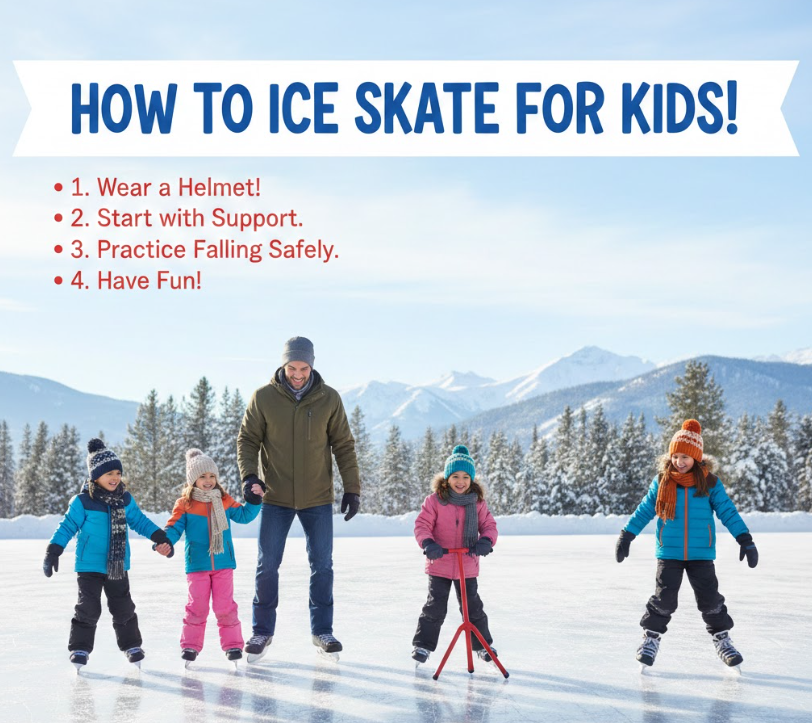
Teaching children how to ice skate requires patience, encouragement, and safety awareness. Kids learn quickly when lessons are fun and supportive.
Programs affiliated with U.S. Figure Skating offer structured beginner classes designed for children.
Safe and Fun Ice Skating for Children
• Use Properly Sized Skates
Children’s skates must fit securely.
Loose skates reduce control.
Proper fit builds confidence.
• Teach Balance Before Movement
Standing and bending knees come first.
Balance games make learning fun.
Confidence reduces fear.
• Encourage Small Steps and Glides
Short steps build coordination.
Gradual glides improve skill.
Avoid pushing too fast.
• Make Learning Playful
Games increase engagement.
Positive reinforcement builds confidence.
Fun keeps kids motivated.
• Ensure Protective Gear
Helmets reduce head injury risk.
Gloves protect hands.
Safety builds confidence.
• Enroll in Beginner Classes
Structured lessons accelerate progress.
Professional instructors teach proper technique.
Group settings improve social skills.
Also Read:- How to Cancel Spotify Premium: Step-by-Step Guide
Benefits of Learning How to Ice Skate
• Improves balance and coordination
• Strengthens lower body muscles
• Boosts cardiovascular health
• Enhances mental focus
• Builds confidence
• Encourages social interaction
According to sports health research, skating improves proprioception and joint stability, making it beneficial for overall athletic development.
Also Read:- How to Lose Face Fat at Home: Fast Methods That Work
Conclusion
Learning how to ice skate is an empowering and rewarding experience. Whether you’re a beginner stepping onto the ice for the first time, learning to skate backward, or teaching your child, the key is patience and consistent practice.
By focusing on posture, balance, safety, and gradual skill progression, anyone can learn to glide confidently. Ice skating improves physical health, mental focus, and self-confidence—making it one of the most enjoyable winter activities available.
Start slow, practice often, and most importantly, enjoy the journey on the ice.
FAQs
How long does it take to learn how to ice skate?
Most beginners feel comfortable after 3–5 sessions.
Is ice skating hard for beginners?
It can feel challenging at first, but proper technique makes learning easier.
What age can kids start ice skating?
Children as young as 3–4 years old can begin with proper supervision.
Do I need lessons to learn?
Lessons help accelerate progress but are not mandatory.
For More Visit guideitfast.com